High Mileage Cars: Special Winter Care Tips for Older Vehicles
Mar 15, 2026 By Juliana Daniel
Your Battery: The Weakest Link

Let's start with a winter horror story. It's 10 degrees outside, you're running late, and your trusty old car just goes *click*. No crank. Nothing. That's your battery tapping out. Here's the thing: cold weather absolutely murders battery capacity. And on a high-mileage car? That battery is already on borrowed time. Don't wait for it to fail. Get it tested for free at any auto parts store. Know its Cold Cranking Amps (CCA). If it's weak, replace it now. It's cheaper than a tow truck and a wasted morning. Trust me.
Befriend That Thick, Sludgy Oil
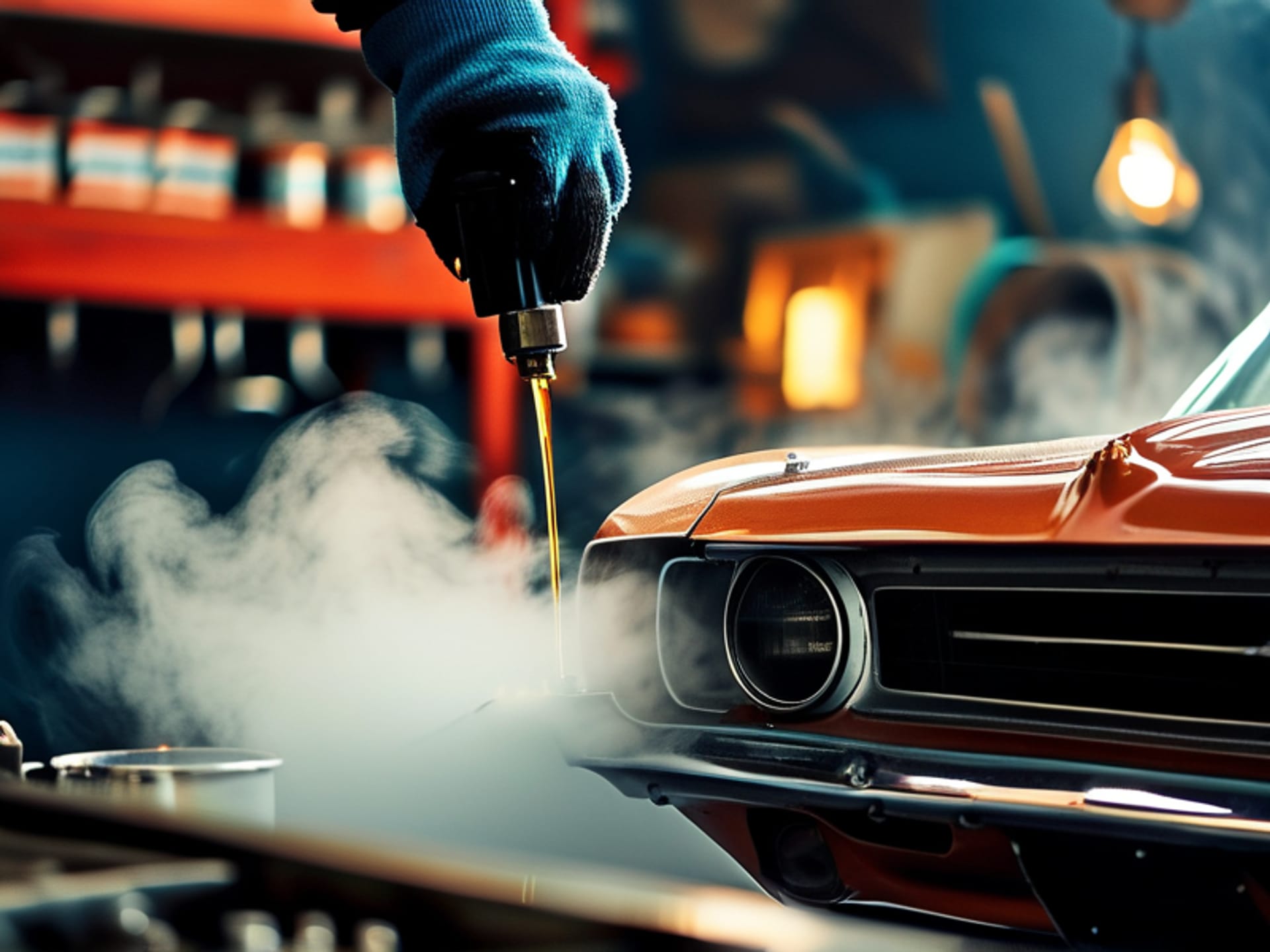
Old engines love thicker oil. Actually, they *need* it. Over the years, tolerances get a little... looser. That nice 5W-20 synthetic it rolled off the line with? Might be too thin now. Cold weather makes all oil thicker, but old engines need a specific weight to protect properly from a cold start. Check your manual, then talk to a real mechanic. Swapping to a slightly higher viscosity oil for winter (think 10W-30 instead of 5W-30) can be the difference between a healthy engine and one that sounds like a bag of bolts on a frosty morning.
Tires: It's Not About Tread Depth, It's About Age
You checked the tread. It's fine. But how old are those tires? See that little DOT code on the sidewall? The last four digits are the week and year it was made. Anything older than 6 years is a risk. Rubber hardens. It loses flexibility. In freezing temps, hard rubber = terrible grip. For an older car that might not have modern stability control, this is critical. If your tires are ancient, consider a dedicated set of winter tires. They're made of a softer compound that stays pliable in the cold. It's the single best upgrade you can make for winter safety. Bar none.
Dodge the Thermostat Trap
Your heater sucks because your engine isn't getting hot enough. See where I'm going? The thermostat is a simple, cheap little valve that regulates engine temperature. On high-mileage engines, they get lazy. They stick open, letting coolant flow constantly. This means your engine takes forever to warm up, your heater blows lukewarm air, and your fuel efficiency plummets. If your temp gauge sits low or takes an eternity to get to the middle, change the thermostat. It's a $20 part that makes winter driving bearable.
Corrosion: The Silent Killer in the Salt Belt
You can't see it, but winter is eating your car alive. Road salt is corrosive magic. On an old car, it accelerates rust in all the worst places: brake lines, fuel lines, suspension components. Once a month, when there's a warmish day above freezing, get it to a DIY car wash and **spray the living daylights out of the undercarriage.** Focus on the wheel wells and behind the bumpers. This washes the salt off. It's not glamorous, but it keeps vital parts from turning to dust. An old car lives or dies by its frame and brake lines. Don't let salt win.
The "Let It Warm Up" Myth (And The Real Truth)
Forget idling for 20 minutes. That's a waste of gas and it's actually bad for modern-ish engines. The fastest way to warm an old engine is to *drive it gently*. Start it, let it run for 30-60 seconds (just long enough to buckle up and pick a podcast), then drive off. Keep the RPMs low for the first few miles. This puts the engine under light load, warming it up efficiently. Your oil will circulate, your heater will get hot faster, and you'll save money. Drive it like you're sneaking out of the neighborhood and you won't wake the neighbors. Gentle.