The 30-Point Winter Inspection: What Mechanics Look For
Jan 24, 2026 By Juliana Daniel
Your Winter Tires Aren't Magical. Your Battery is Suffering.
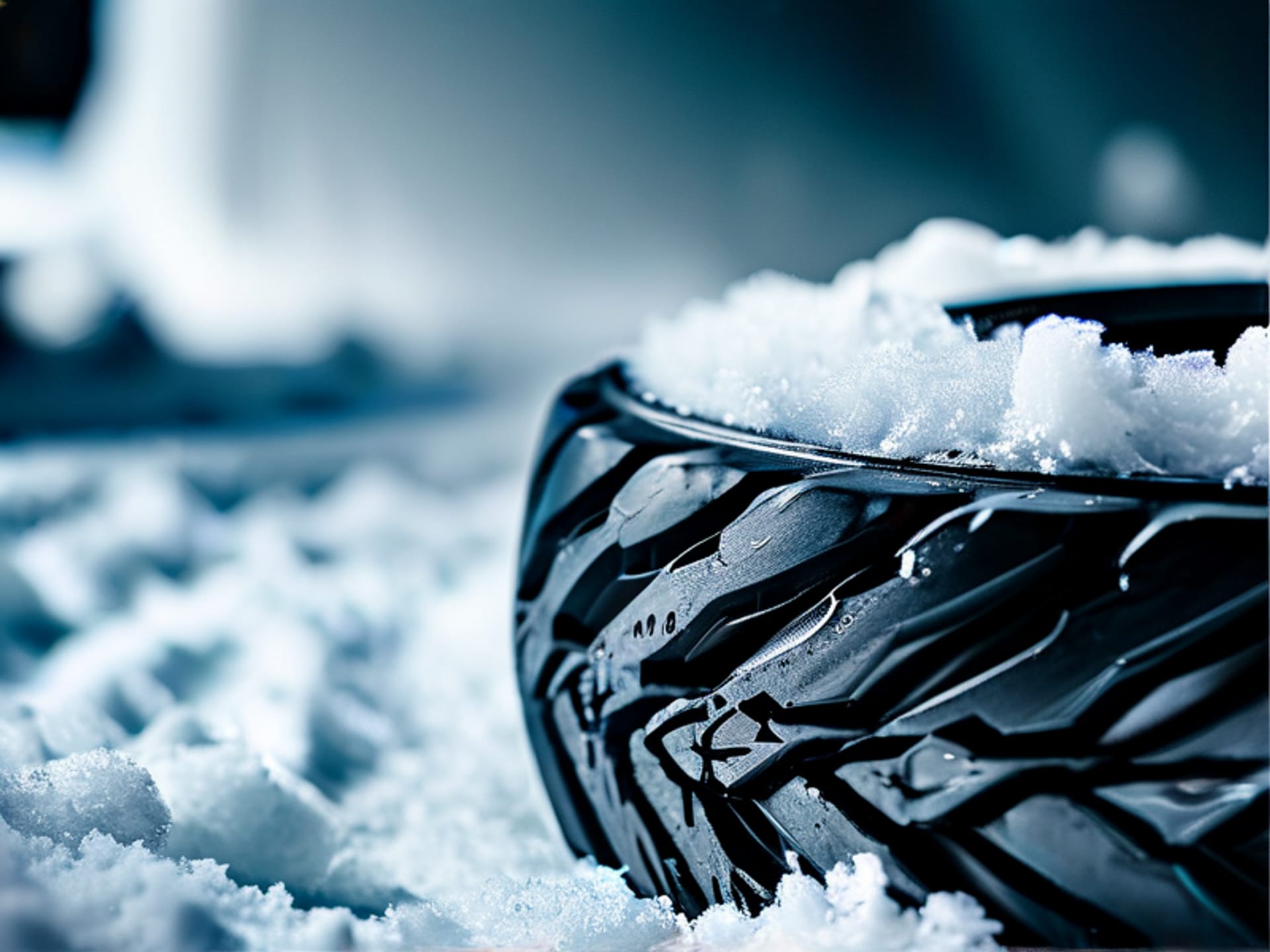
Okay, so you slapped on the snow tires. You feel smug. I get it. But here's the thing: that's maybe 20% of the battle. Your car is basically a mammal. And winter is that brutal relative that exposes every single weakness. Your mechanic's first job? A full vitals check.
That Battery is Basically Hibernating (Test it Now)
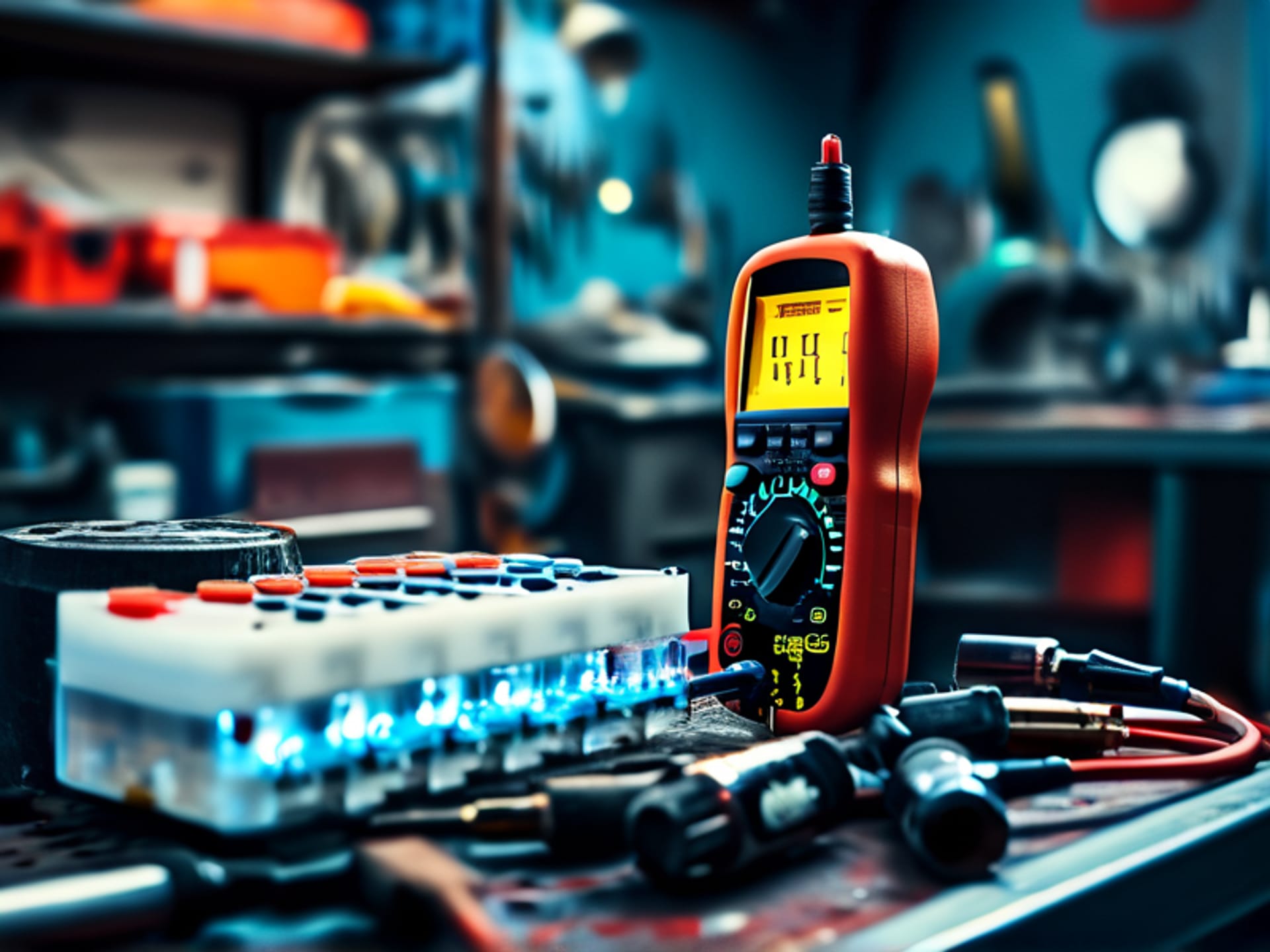
Cold cranks amps. That's the term. It means your battery's power when it's freezing. Every drop in temperature saps its strength. A battery that was "fine" in October can be a dead brick in January. An actual load test is the only way to know. Guessing by the radio and headlights? You're playing Russian roulette in the grocery store parking lot at 6 PM.
Fluids: The Icy Lifeblood of Your Metal Beast
Oil thickens. Water freezes. Here's a quick list that'll make your mechanic nod with respect: Check the antifreeze/coolant mixture. It shouldn't just be *green*, it needs to protect to well below your local lows. Is your washer fluid the summer stuff? It becomes a slushy mess on your windshield. Brake fluid absorbs water, which can freeze in the lines. Yeah, think about that. A good inspection doesn't just top things off. It checks the condition.
Lights & Wipers: Your Secret Communication System
Shortest days of the year. Driving in slop and darkness. Your headlights, taillights, brake lights, and turn signals are how you talk to other drivers. A burnt-out bulb isn't just illegal; it's an invitation for someone to not see you. And those wipers? If they're streaking in the rain, they'll be useless sheets of ice in a storm. It's the cheapest, easiest safety upgrade you can do. Don't wait for the first blizzard to find out they're garbage.
The Under-Carriage: Where Salt Decides Your Car's Fate
The stuff you never think about. The underbody. Road salt is pure evil for metal. It accelerates rust at an insane rate. A good winter inspection isn't afraid to get the car up on a lift. They're looking at brake lines, fuel lines, the exhaust system, and suspension components. A small, rusty hole in a brake line doesn't lead to a funny noise. It leads to "oh no". Spotting surface rust now can save you a catastrophic failure later.