Why 'Doomscrolling' Is Your Productivity's Worst Enemy (And How to Stop)
Feb 28, 2026 By Juliana Daniel
My Phone Was In My Hand When The Burn Notice Rolled In.

I swear this is a true story. It was 11:30 PM on a perfectly normal Tuesday. I was in bed, my thumb mindlessly swiping up on the same three apps. A text popped up from a friend. It wasn't a joke. A major project I'd been working on for months was cancelled. The client burned the whole thing to the ground. My first reaction? I kept scrolling. The shock needed a chaser of distraction. That, my friend, is peak doomscrolling. Facing a real-world fire drill, and choosing to watch other people's problems instead. It was the wake-up call I needed.
What's Actually Happening In Your Brain When You Scroll?
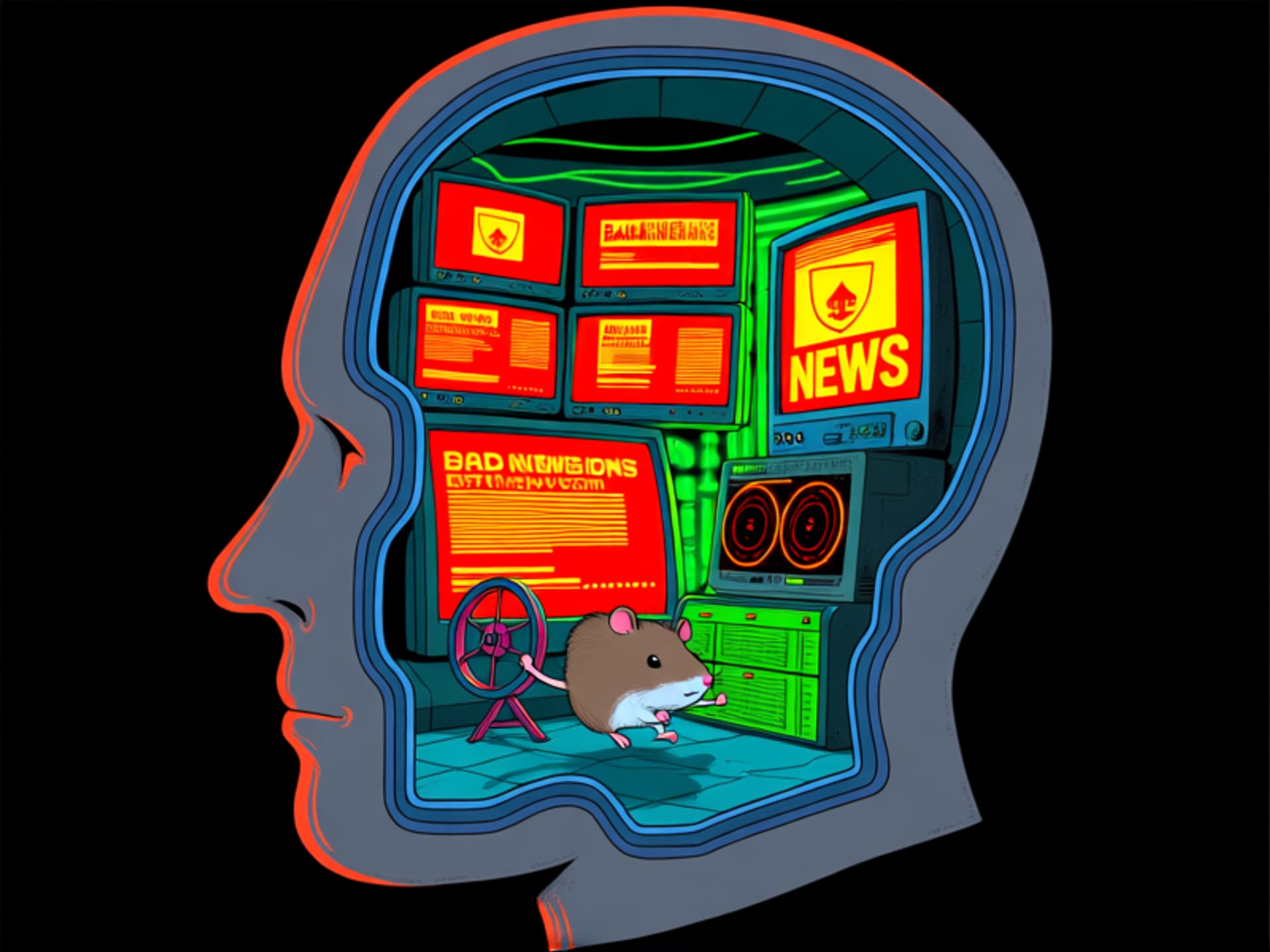
Let's cut the buzzword bologna. Doomscrolling isn't just "being online too much." It's a targeted addiction. You're not casually browsing. You're *hunting*. Your brain is on a specific mission: find more of this bad, anxiety-inducing thing. Every new headline, every outrageous tweet, gives you a tiny hit of "threat awareness." It feels productive, like you're staying informed. You're not. You're just filling your mental control room with flashing red alarms. Meanwhile, the part of your brain that handles focus, problem-solving, and deep work? That operator is getting shoved out of their chair.
How A News Binge Obliterates Your Whole Day
This is the part most advice gets wrong. They talk about "wasting time." That's the least of it. The true cost is cognitive residue. Think of it like concrete in your mental gears. You close the Twitter tab. You open your project file. But your brain is still back there, metabolizing the chaos. It's not a clean switch. That lingering anxiety and distraction makes every single task after your scroll feel 10% harder. A 15-minute doom-dive doesn't cost you 15 minutes. It costs you the next two hours of half-assed, unfocused work. Your brain is in fight-or-flight mode. That mode is great for running from lions. It's terrible for writing a quarterly report.
Here's Why "Just Quit" Is Terrible Advice
Be honest. Someone telling you to "just put the phone down" makes you want to throw it at them. I get it. The habit isn't the enemy. The feeling *behind* the habit is. You're bored. You're anxious. You're overwhelmed. And your brain has learned a super-fast, reliable solution: open the app, get the hit, feel *something*. Telling yourself "Don't do that" is useless. You're trying to fight a river by standing in it. You need to redirect the flow. The key isn't willpower. It's replacement.
The Action That Actually Works (It's Absurdly Simple)
Forget complicated digital detoxes. Start with a single micro-rule. Designate one "sacred" time slot where your phone is a brick. Not airplane mode. Not on the desk. Physically in another room. The 90 minutes after you start work is magic here. But even 30 minutes will shock your system. The first day, you'll feel a physical itch. That's the habit loop screaming for its fix. Don't check. Sit with the itch. Start the one stupid, small task you've been avoiding. The itch will pass. Once your brain realizes the world didn't end without its chaos fix, it starts to relax. You're retraining the muscle.
And Honestly, It's Not About Cutting Out. It's About Filling In.
Fighting the scroll creates a vacuum. Nature (and your brain) hates a vacuum. You need a better default option. A go-to for that weird 7-minute gap between meetings. For me, it was a physical book on my desk. For you, maybe it's a stupid puzzle game that doesn't have a feed. A 5-minute breathing app. A notepad to scribble nonsense ideas. The goal is to make the healthier choice the *easier* choice. You're not battling an addiction. You're installing a better one.