5 Digital Minimalism Rules That Transformed My Mental Health
Jan 30, 2026 By Juliana Daniel
No Phone In Bed: My Morning Became Mine Again
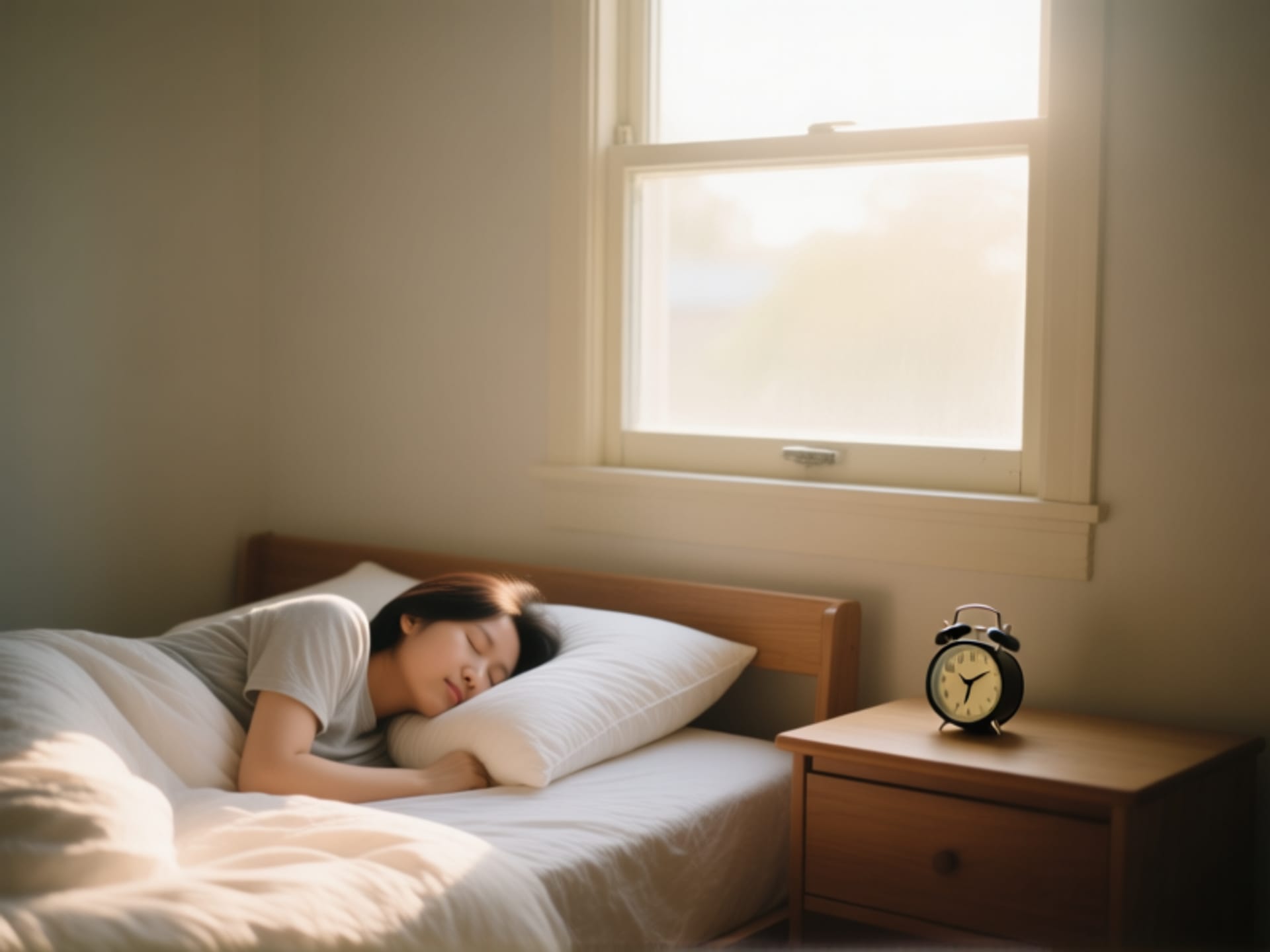
Look, I get it. The last thing you see at night and the first thing you unlock in the morning. I was a pro. But my brain felt fried from the moment I opened my eyes. It was Cal Newport's "Digital Minimalism" that made it click. The phone wasn't my alarm clock; it was my jailer. So I bought a real, clunky alarm clock. The first few days were weird. I'd wake up and just... lie there. Thoughts would bubble up. Plans for the day. The quiet felt strange. But then it didn't. I stopped starting my day in a reactive panic to emails and news. I started it with a sense of "What do I want to do?" It felt like I'd won back an hour of my life.
Clear the Home Screen: The Great App Purge
Screen time apps were just guilt trips in digital form. Seeing "8 hours" didn't help. The real fix was attacking the source. I deleted every single app from my home screen. Not my phone. I still needed Maps. But the friction changed everything. Now, if I want to doom-scroll Twitter, I have to open my app drawer and type "T." That 2-second pause is a magic question: "Do I *really* want to do this?" Ninety percent of the time, the answer is no. The phone became a boring tool, not a slot machine. The compulsive grabs stopped. My thumb got bored, and my brain got space to breathe.
No Screens After 8 PM: Relearning How To Be Bored
Here's the thing—I tried the "no blue light" glasses. I used the "night mode." It was all a band-aid. The problem wasn't the color of the light; it was the cognitive load. My brain was processing arguments, absorbing drama, and consuming information right up until I tried to shut it off. So I set an actual, physical timer. At 8, devices go in the kitchen. It's brutal at first. You sit on the couch and think, "What now?" You remember books exist. You talk to your partner. You stare at the ceiling. It's in that boredom that real mental clarity finally shows up. You process your day. You make real, quiet connections. Sleep isn't something you collapse into; it's something you ease towards.
Treat It Like A Hammer: Intentionality Is Everything
Cal Newport's big idea is that technology should serve your values, not subvert them. My phone is now a tool. I use it for specific purposes: navigating, a quick call, buying tickets. When I pick it up, I have a goal. "I need directions to X." Not "I'm bored." Boredom is now my signal to *live*, not to scroll. This might be the most important rule. It reframes your entire relationship with the device. It's not your entertainment system, your newspaper, or your social circle. It's a hammer. You don't pick up a hammer to pass time. You pick it up to build something. Use your phone to build your life.
Creating Tech-Free Sanctuaries: Where Phones Don't Belong
My final rule wasn't about time limits; it was about physical space. I declared certain places sacred. For me, it's the kitchen table and the bathroom. No phones allowed. Eating a meal without a screen means you taste the food. You notice if your partner is stressed. A bathroom is for… well, you don't need a 4K screen in there, do you? These tiny sanctuaries create pockets of presence throughout your day. You start to crave them. They become reminders that you are a human in a physical world, not just an avatar in a stream of data. It's a small boundary that builds huge walls of mental clarity. Try it tonight. Leave the phone on the counter. It'll be there when you get back, but your peaceful moment won't.