The Best Water for Coffee: A Beginner's Guide to Filtration
Mar 14, 2026 By Juliana Daniel
You're Ruining Your Coffee (It's Probably The Tap Water)
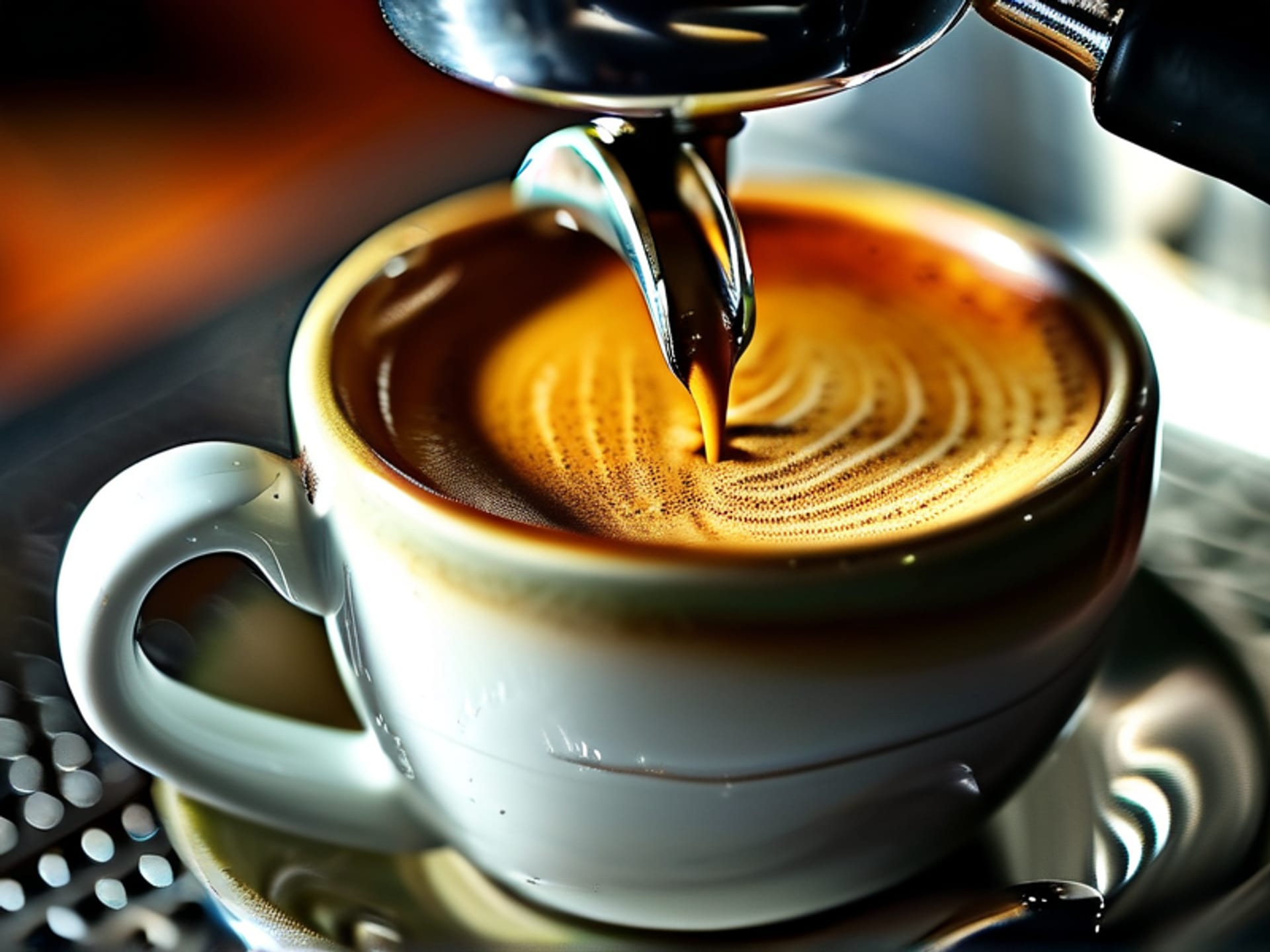
Let's stop pretending. You bought a killer grinder. You meticulously weigh your beans to the tenth of a gram. Then you pour... whatever comes out of your kitchen faucet? It's like seasoning a gourmet steak with a ketchup packet. The thing is, your fancy coffee machine is about 98% water heater. Your precious coffee grounds are barely 2% of the cup. So if the water tastes like chlorine, iron, or a swimming pool, your coffee will too. That's not an opinion; it's chemistry. You can taste the pipes, the treatment plant, yesterday's forgotten glass by the sink. So, yeah. Water matters first.
It's All About the Minerals (Really, Just Two)
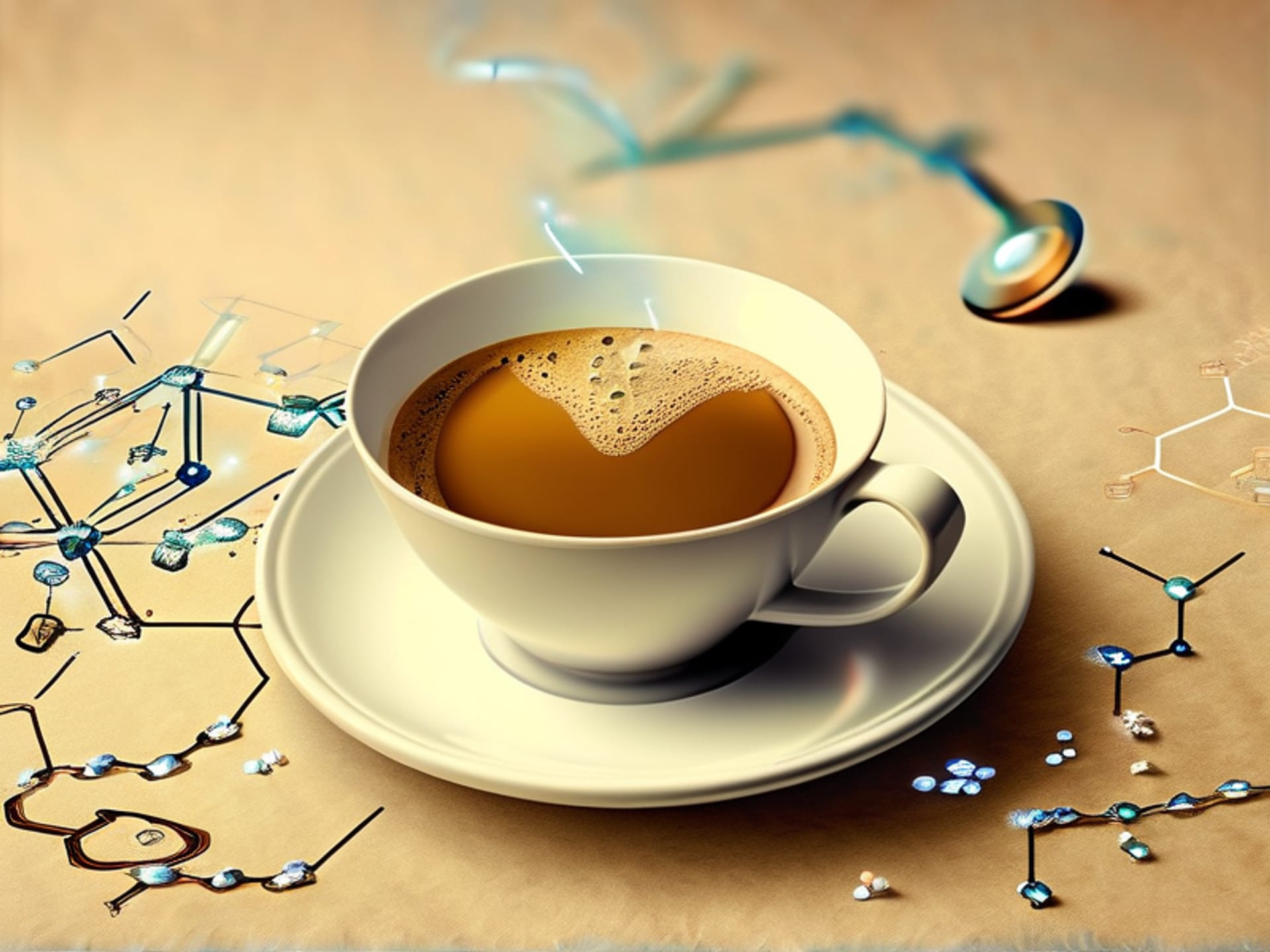
Good brewing water isn't "pure." It's actually loaded. Specifically with minerals. Magnesium and calcium are the heavy hitters. Magnesium makes your coffee brighter, fruitier—it yanks those fun flavors out of the bean. Calcium gives you that heavier, creamy body. But balance is key. Too little and your coffee tastes flat and hollow, like it's missing its soul. Too much and you get chalky, bitter dregs. Think of it as a season ticket. You need the right players on the field to win.
The Fancy Option: Reverse Osmosis + Minerals
This is the end-game. A reverse osmosis (RO) system strips *everything* out of the water. You're left with a blank slate. Sounds perfect, right? Wrong. Now you have *too little* mineral. That's where remineralization comes in. You can buy off-the-shelf packets that add back the perfect tiny amounts of magnesium and calcium. It's a chore, I won't lie. But you control everything. This is for the person who treats their Sunday morning V60 ritual like a lab experiment. The results? Honestly, stunning.
The Easy Win: A Simple Filter Jug
Don't have $500 for a home water lab? Great. Me either, most days. A good old filter pitcher (think Brita, or something similar) is your 80/20 solution. It knocks out most of the chlorine and some of the heavy metals. It's not perfect science, but it's a massive, immediate upgrade over straight tap water. It smooths out the harsh edges. And you can use the filtered water for your kettle *and* your fancy espresso machine. It's the easiest win in coffee. Start here.
The Barista-Bro Hack: Build Your Own Water
For the brave and slightly nerdy. You can make your own "perfect" water for pennies. You'll need distilled water (from the grocery store), some food-grade Epsom salt (for magnesium), and a smidge of baking soda (for bicarbonate). Weighing out tiny fractions of a gram on a jewelry scale. This is your peak home barista moment. It's a bit obsessive. But the control is intoxicating. If your tap water is truly terrible, or just wildly inconsistent, this is your escape hatch.
What Should You Do? Start With a Taste Test.
The final word? Actually taste it. Make three cups of coffee. One with tap water. One with your filtered water. One with bottled spring water from the store. Let them cool a bit. Then sip. Your taste buds are the best gear you own. You'll know. It might shock you. It should. Then you know what you're fighting for—and with.