The Environmental Impact of Van Life and How to Minimize It
Feb 04, 2026 By Juliana Daniel
The Van Life Paradox: Are We Actually Trashing the Places We Love?
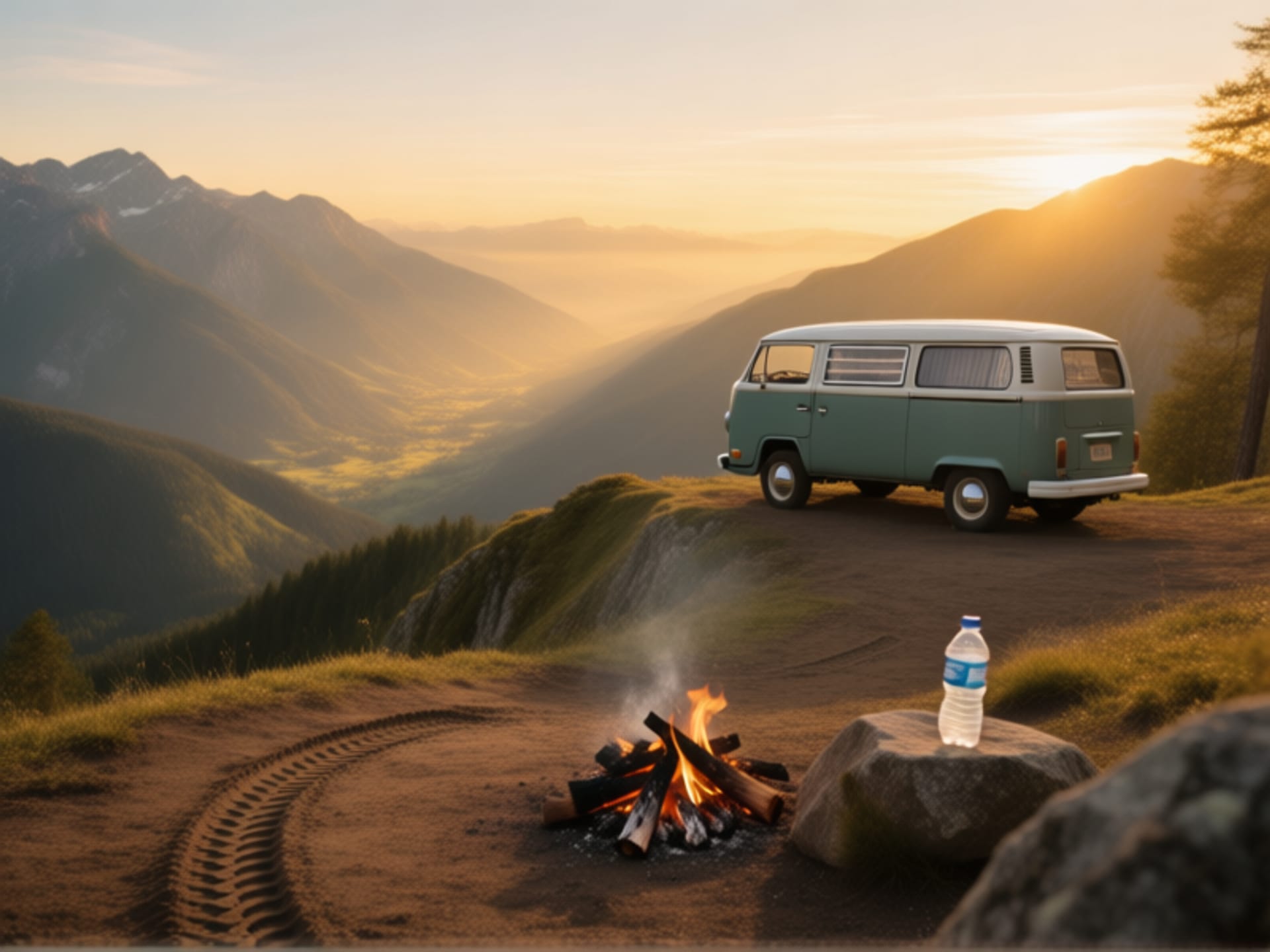
Let's get this out of the way first. The dream sells itself: freedom, nature, simplicity. But here's the thing. Rolling a two-ton metal box powered by dinosaur juice into the middle of untouched wilderness isn't exactly a green act. We romanticize it, but the reality has a footprint. Literally. From fossil fuels to micro-trash left behind, the very act of seeking solitude can chip away at it. It's a paradox we need to stare down if we want to keep these places wild.
Power Up Without Burning Down: Your Energy Reality Check
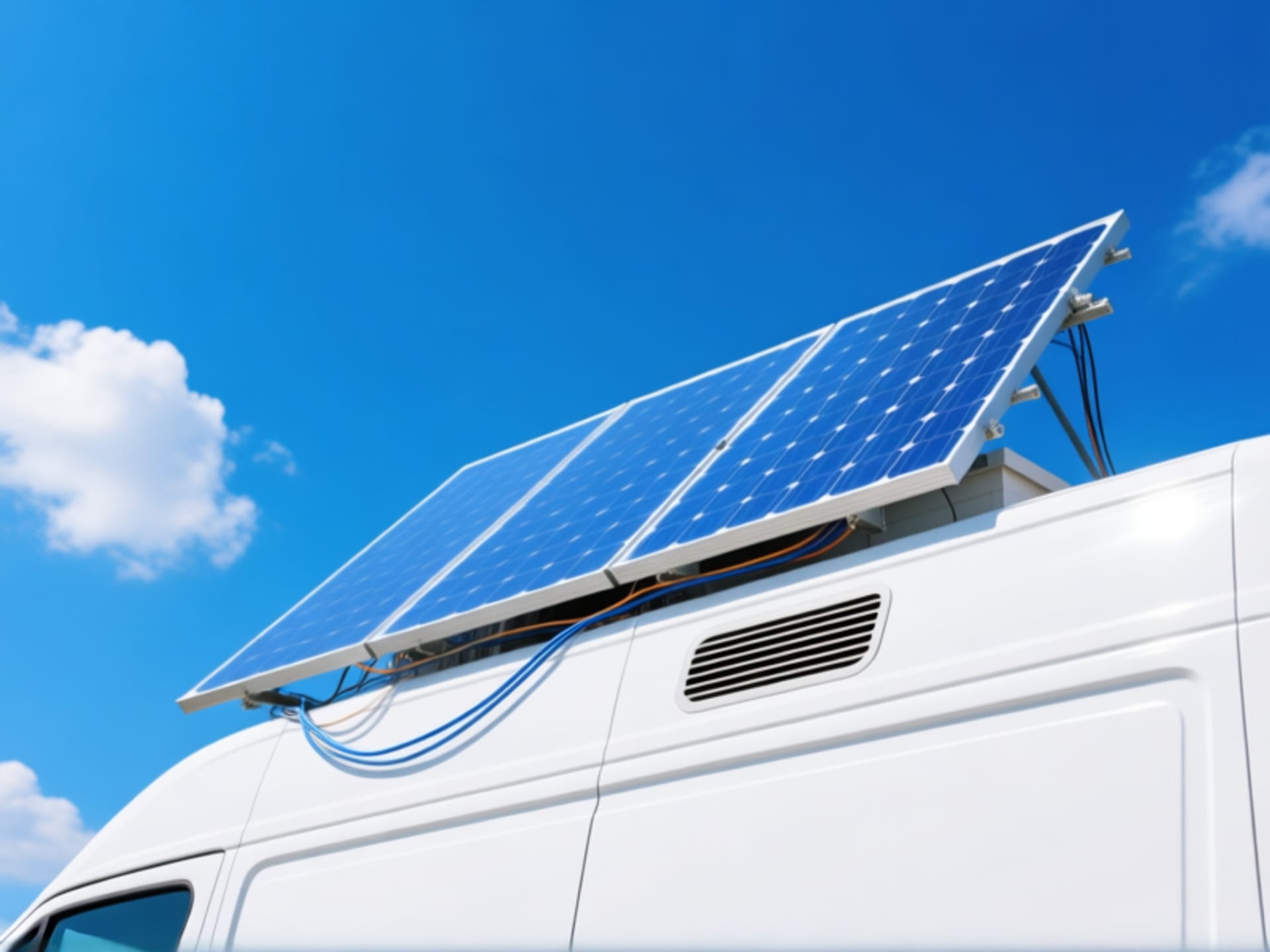
Idling for AC or heat? That's a hard pass. Your biggest win for a lower **solar power carbon footprint** is, unsurprisingly, solar. But it's not magic. You need to be smart. Audit your energy use first—how many watt-hours does that fancy blender really need? A decent setup can run lights, charge gadgets, and pump water. For everything else? That's what campgrounds with hookups or libraries in the next town are for. The goal is to be off-grid by choice, not by desperate battery calculation.
Waste Not, Want Not: The Tiny Space Challenge
You quickly learn there's no "away." In a van, your trash can is right there. Staring at you. This forces a beautiful constraint. **Reduce waste van** living starts at the grocery store. No single-use packaging. Hit the bulk bins with your own jars. Choose a bar of soap over a plastic bottle. Get a portable compost bin for food scraps. It's about systems. Have a dedicated bag for recycling and actually find a facility to take it. It's a pain sometimes, but so is living in a rolling landfill.
Water: Your Most Precious (and Heavy) Resource
That 20-gallon tank dictates your life. Every drop counts, which makes you hyper-aware of consumption. Navy showers become a religion. Turn off the tap while scrubbing dishes. Use biodegradable soap so greywater isn't a toxic issue. And for the love of all that's good, never dump your black tank anywhere but a designated station. Treating water like the limited commodity it is? That's a lesson that sticks with you long after you park the van.
Drive Less, Stay More: The Ethics of Movement
The engine is your biggest polluter. Period. So the single best thing you can do? Slow. Down. The "explore-every-day" Instagram feed is a fantasy and an environmental drag. Pick a region. Stay for a week or a month. Bike, hike, or walk from your camp. Get to know a local coffee shop. Volunteer. Your carbon emissions plummet, and your experience gets richer. You transition from a consumer of vistas to a temporary participant in a place. That's the real goal for **eco friendly nomads**.