The Ultimate Filter Guide: Paper vs. Metal vs. Cloth
Jan 10, 2026 By Juliana Daniel
Your Morning Cup Is A Lie. Here's Why.
Okay, let's get one thing straight. You're probably thinking, "A filter is just a filter. The coffee matters more." I get it. I was you. I spent years grinding exotic beans and tweaking my pour-over technique, completely ignoring the one piece of paper or metal standing between me and my brew. Big mistake. It's the silent partner in your coffee. It changes everything: the taste, the texture, the body, and yes, even that weird aftertaste you can't quite place. Let's figure out which one is secretly stealing your joy.
The Paper Filter: Your Tidy Little Habit
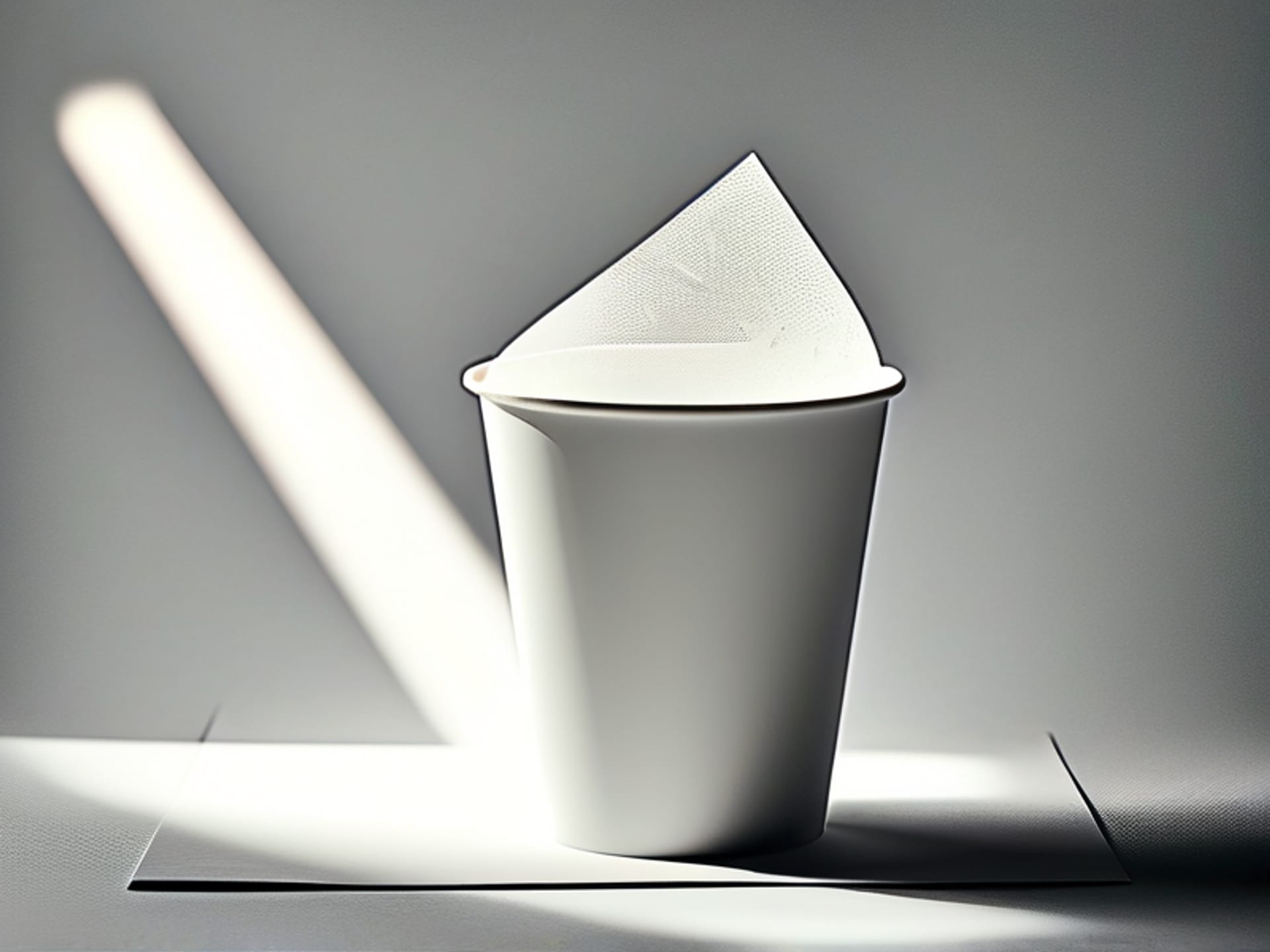
Ah, the classic. It's clean. It's simple. You use it once and toss it. Paper filters are the neat freaks of the coffee world. They trap *everything*—the oils (the "coffee fats") and the fine sediment called "fines." The result? A cup that's clean, bright, and sharp. You get to taste all those fancy floral and citrus notes the roaster wrote on the bag. Seriously, the clarity is unreal. But here's the trade-off. That oil? It's what gives coffee its body and that heavy, syrupy mouthfeel. You're sacrificing some of the "oomph" and richness for absolute clarity. It's a trade. And oh, the environmental guilt. But they're compostable, at least.
The Metal Filter: The Rebel With All The Flavor
Enter the metal filter. Usually made of stainless steel mesh. Your new, slightly edgy best friend who doesn't follow the rules. It doesn't absorb anything. Zero. All those delicious, controversial oils slide right through into your cup. You get a fuller, heavier, more robust brew. It's a mouthful in the best way. You'll notice more chocolatey, nutty, earthy notes coming forward. But. And it's a big "but." You also get the silt. The fines. The last few sips of your cup might have a bit of gritty texture. Some people love this, calling it "authentic." Others hate it. There's also the ritual—you rinse it, you scrub it, it lasts forever. It's a commitment.
The Forgotten Hero: The Cloth Filter
Let's talk about the hipster grandparent. The cloth filter. Often made of cotton or flannel. It's the middle ground that everyone forgot about. It filters more sediment than metal, letting some oil through but not all. The result is a cup with more body than paper, but more clarity than metal. It's strikingly smooth. The catch? The maintenance. You gotta keep it clean. Really clean. Store it in water in the fridge, or it'll start to smell... funky. It's a high-reward, high-maintenance relationship. Totally worth it for Saturday morning vibe sessions, maybe not for your frantic 7 AM dash.
So, Which One Do You Actually Need?
Stop looking for the "best" one. There isn't one. It's about the coffee you want to drink. Are you a light-roast, fruit-bomb, tea-like-coffee person? Grab the paper. You want that thick, bold, classic diner-style cup that punches you in the face? Metal is your guy. Chasing the ultimate 'balance' and don't mind a little extra ritual? Try cloth. Honestly, the best move? Own two. I have paper for my fancy Ethiopian beans and a metal filter for my daily dark roast. No shame in the game. Your brewer probably came with one type. Try the other. The difference will blow your mind.
Bonus Tip: It's Not Just About The Filter
Remember, your brewing method locks you in. A French press uses a metal mesh. A Chemex uses its special thick paper. An AeroPress? You can use paper, metal, *or* cloth. Your choice of brewer was the first decision you made about filtration. Think about that next time you're shopping for a new gadget. The filter defines the experience. Now you know.