Why Your $500 Espresso Machine is Not Making Good Coffee
Mar 05, 2026 By Juliana Daniel
The Expensive Truth About Your Bad Espresso
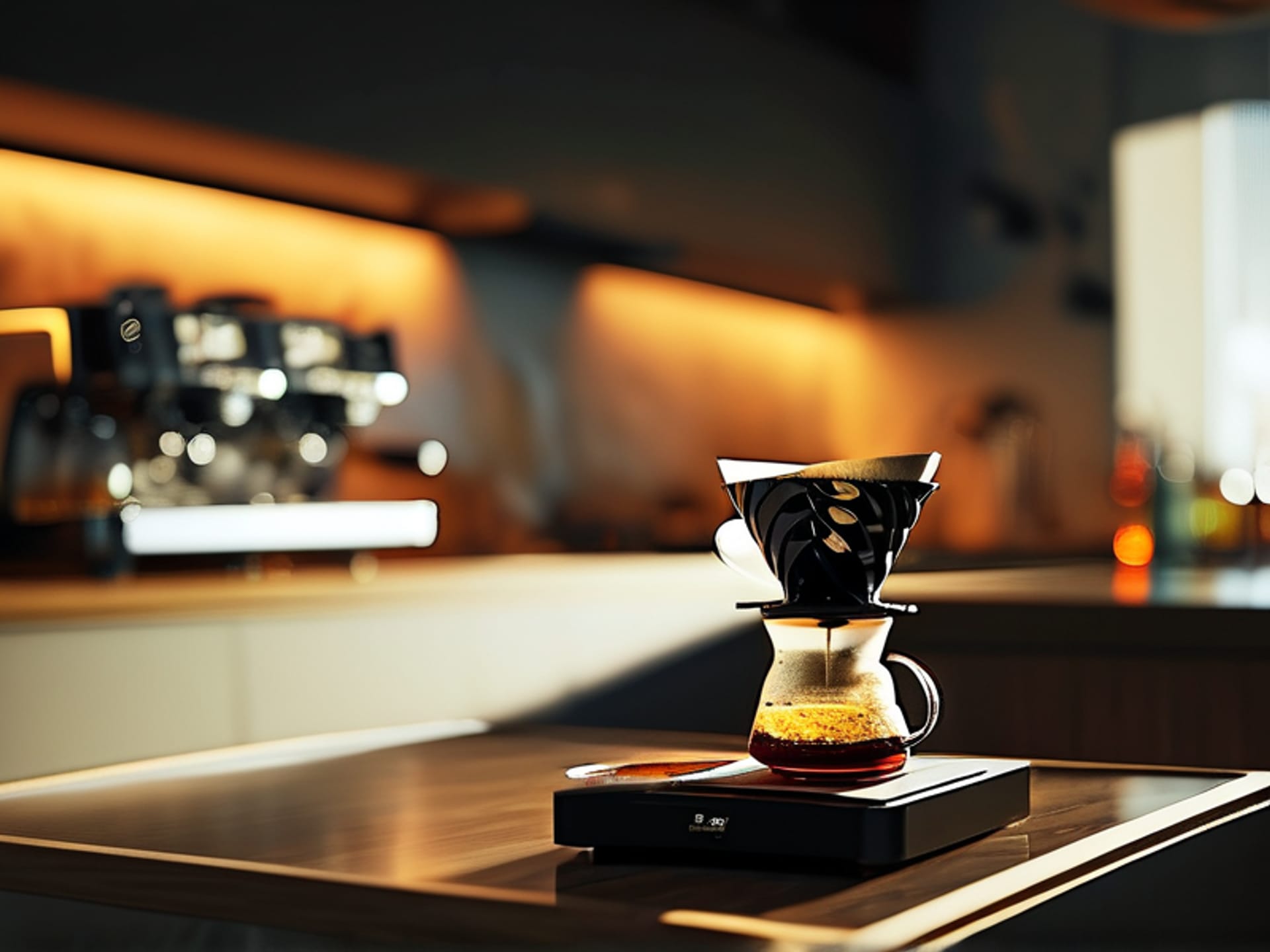
It stings, doesn't it? You dropped serious cash on that slick, brushed-steel marvel. You followed the internet's advice. Yet here you are, staring into a bitter, acidic, or just plain weak cup of despair. That machine is full of potential. But you're not failing. The machine isn't (necessarily) broken. We're about to talk about the real gap between your kitchen counter and a pro cafe. Let's start with the easiest fix.
The #1 Culprit Lives in Your Pantry
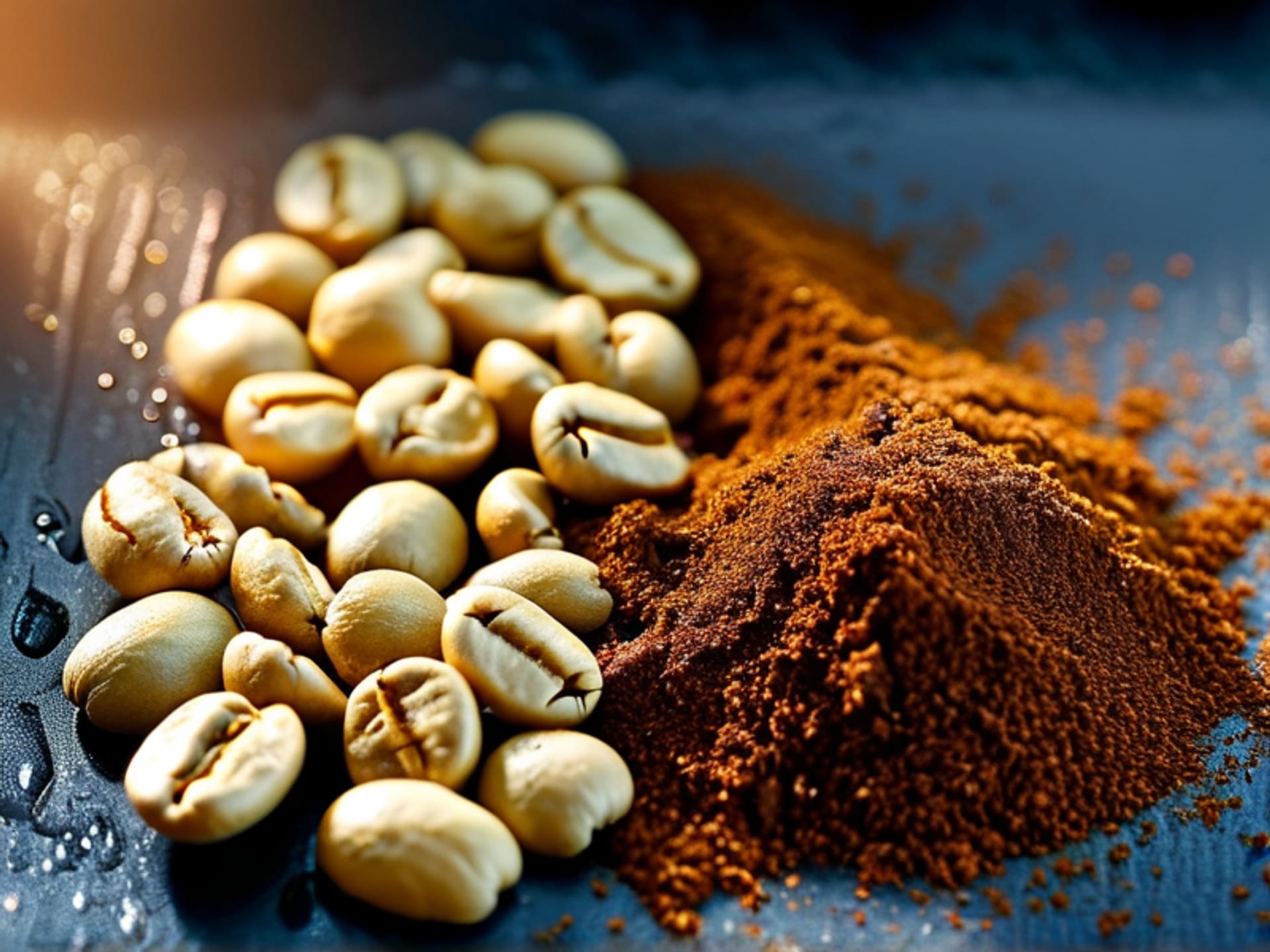
Here's the brutal truth: You can buy a race car, but if you put regular unleaded in it, you're not winning any races. That $500 machine is a precision tool designed to extract flavor from *fresh*, *high-quality*, *properly roasted* coffee beans. Using supermarket beans roasted six months ago, ground who-knows-when? You're asking your Ferrari to haul mud. The coffee is stale before it even hits the portafilter. Start there. Buy fresh, local beans. This week. Not next month.
Your Grinder is The Secret MVP
The grinder matters more than the machine. I know, it sounds insane. But it's physics. Espresso needs a super-fine, super-consistent grind. Your $500 machine paired with a $30 blade "grinder"? You're creating a mix of boulders and dust. Water finds the path of least resistance—the dust turns to mud, the boulders stay underextracted. The result? Sour, bitter, all-at-once chaos. This is the single most common upgrade that changes everything.
Pressure is a Precision Dance (Not a Sledgehammer)
You think "9 bars of pressure" is just a button you press. Actually, it's the result of a perfect storm. The right grind. The right dose (yes, you need a scale). And the tamp. That last part trips everyone up. It's not about Hulk-smashing the coffee. It's about a firm, level, even press. Uneven tamp? The water cheats, blasting a hole straight through a weak spot. That's channeling. And it makes your espresso taste harsh and ugly in seconds.
The Hot, Dirty Secret You're Ignoring
Your machine is subtly screaming at you. That weird, funky taste that's crept in? The inconsistent shots? Limescale. Old coffee oils. Milk residue baked into the steam wand. An espresso machine isn't a toaster. It's more like a car engine. It needs regular maintenance. Backflushing, descaling, cleaning the group head. Do the work. It's not glamorous. But ignoring it is why your $500 machine suddenly tastes like it came from a gas station.
Stop Chasing Perfection, Start Chasing Consistency
Here's the final mind-shift. You're not a barista in a rush. You're a scientist in your lab. Your goal isn't one magic shot. It's repeating a *good* shot. Every. Single. Time. That means measuring your input (coffee in). Measuring your output (espresso out). Timing the shot. Writing it down. Change one variable at a time (grind a little finer tomorrow). The machine is just the vessel. You are the brains of the operation. Treat it like an experiment, not a lottery.