Hot-Swappable Boards: The Best Way for Beginners to Test Tactile Switches
Dec 11, 2025 By Juliana Daniel
Hot-Swap Boards are Your Ultimate Training Wheels
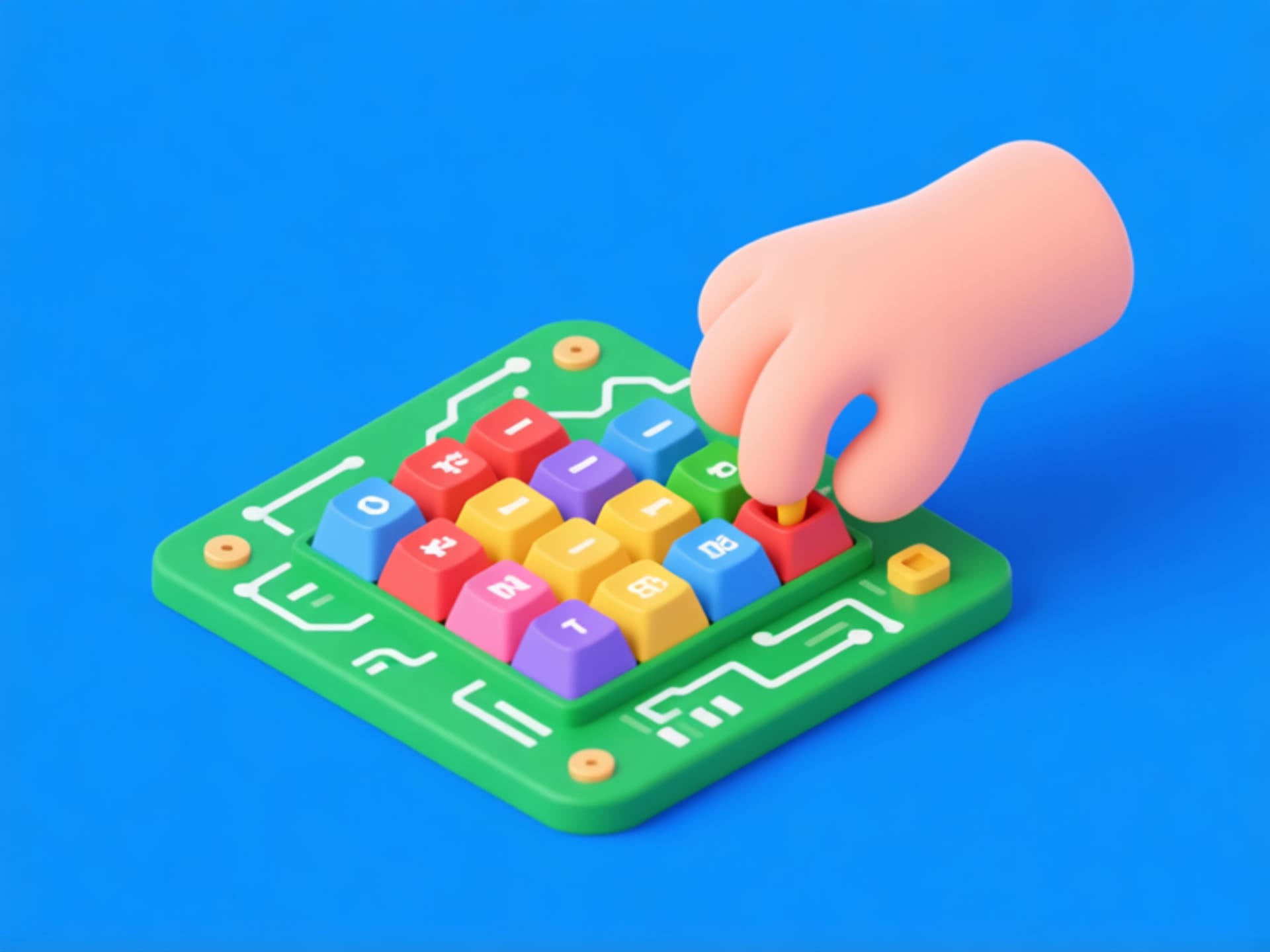
Let me spill it straight. Picking your first keyboard switches is terrifying. Linear? Tactile? Clicky? It's a costly puzzle where a wrong guess leaves you with a $60 set of switches you hate. That’s the disaster zone hot-swap keyboards save you from. Think of them as training wheels for the entire custom keyboard world. No permanent commitments. Maximum freedom to experiment.
What "Hot-Swappable" Actually Means (The No-BS Version)
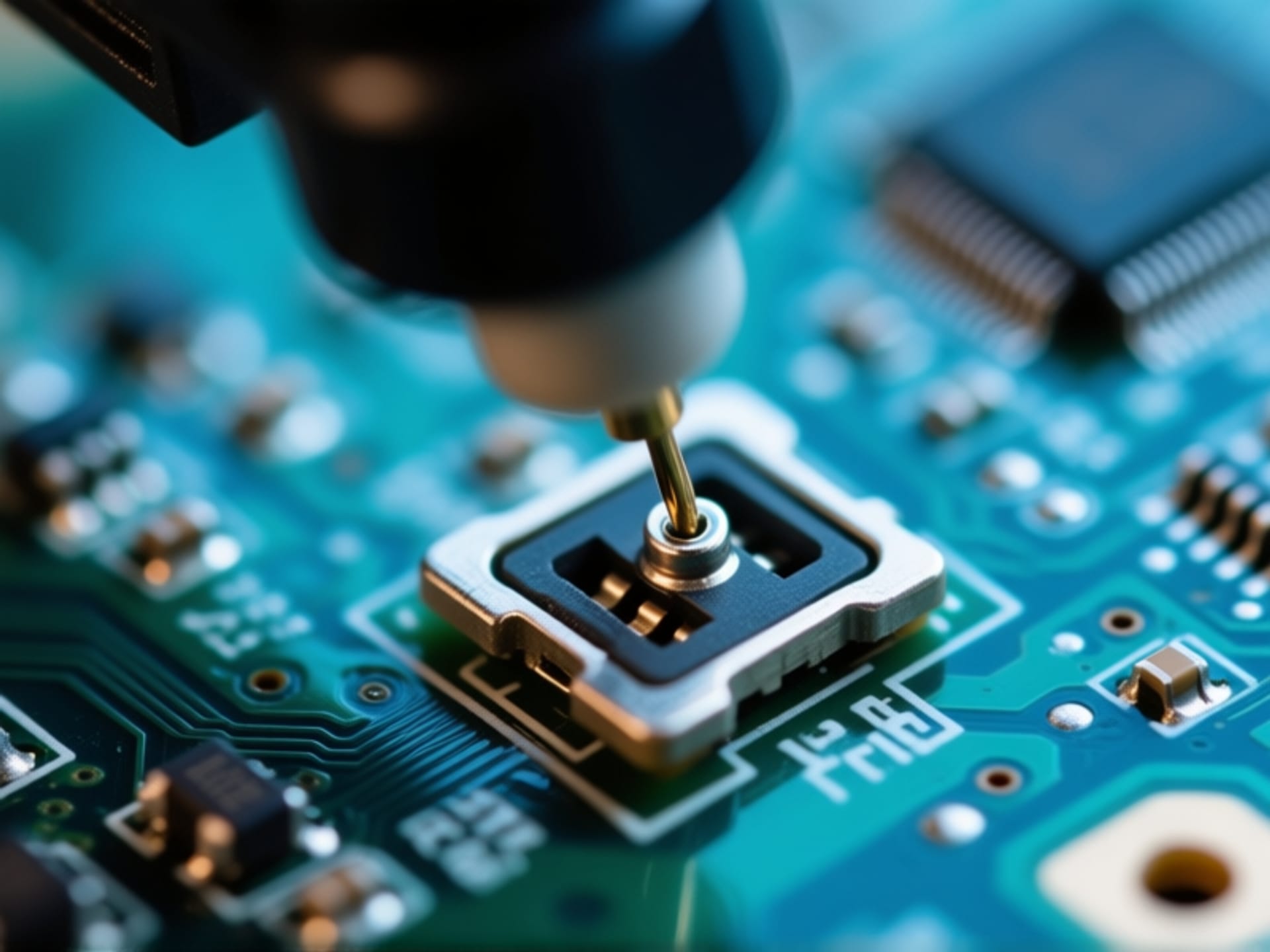
Forget the jargon. It’s simple. A hot-swap keyboard has special sockets soldered onto its circuit board. The bottom of your switch has little metal pins. You just line those pins up with the holes in the socket and press down. A satisfying click. Done. No soldering iron. No watching a YouTube tutorial and sweating. You pull the switch straight back out when you want to change it. That’s the whole magic trick. It makes “trying” a switch as simple as swapping a battery.
Why This is The Absolute Best for Beginners
Here’s the thing. Reading about a "bump" doesn't tell you squat. You need to *feel* it under your own typing rhythm. With a soldered board, you're locked in. Game over. That pressure makes newbies either pick the safest, most boring option or waste money. A hot-swap board destroys that pressure. You can buy a few different individual switches, throw them in, and actually know what you like. It turns a high-stakes gamble into a chill, hands-on science experiment on your own desk.
The Underrated Power of The Tactile Journey
Tactile switches are the sweet spot for most beginners—a bit of feedback without the obnoxious noise. But "tactile" is a massive spectrum. Some are a gentle nudge. Others are a roundhouse kick to your fingertip. With a hot-swap board, you can start with a gentle switch. Try it for a week. Get curious, swap in a more aggressive one. See how your typing accuracy or speed changes. Discover your personal "Goldilocks zone" for that perfect bump. That journey is impossible without easy plug-and-play.
Good, Cheap Boards That Won't Screw You Over
Sounds too good? The best part is this isn't some premium feature anymore. You can get a solid hot-swap mechanical keyboard for well under $100. Brands like Keychron, Epomaker, and Royal Kludge have nailed it. They're built well enough to last, come with decent stock switches, and give you that all-important socket foundation. You don’t need to break the bank to get into this. Start with one of these workhorses. Your wallet will thank you.
Stop Reading. Go Start Swapping.
Look, you can read a thousand reviews and still feel clueless. The real knowledge isn't in the articles. It's in your fingers. Grab an affordable hot-swap board. Buy a little "switch tester" pack with a few different types. Spend a Saturday just popping them in and out. Type a few sentences. Make a terrible, wonderful, subjective choice based on what *you* like. That's the whole point. The power to choose—and change your mind—is right there.